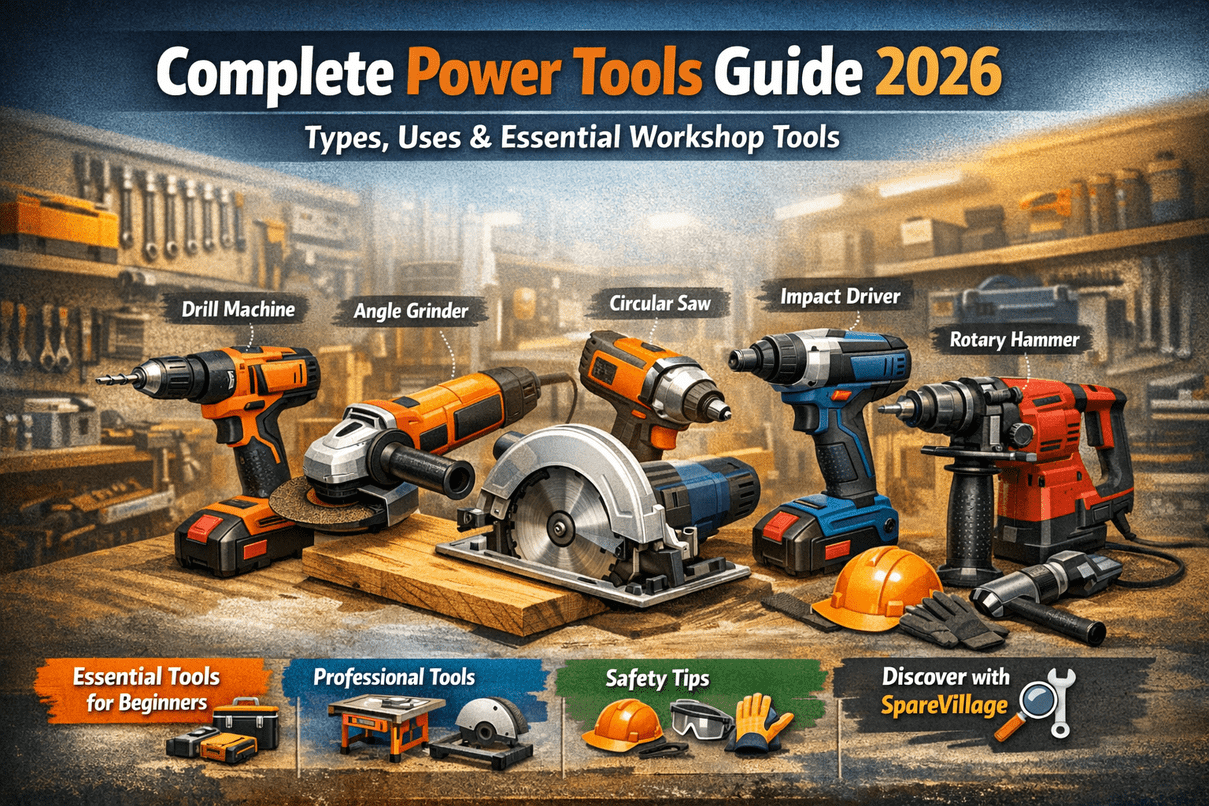
A drilling machine is one of the most widely used tools in workshops, construction sites, factories, and home improvement projects. From assembling furniture to drilling into concrete walls, the right drilling machine helps complete tasks faster, safer, and with greater precision.
Whether you are a professional technician, contractor, or DIY enthusiast, understanding how drilling machines work and selecting the correct type can significantly improve efficiency and work quality.
This guide explains drilling machine types, key components, applications, safety practices, and expert tips for choosing the best drill for your needs.
What Is a Drilling Machine?
A drilling machine is a mechanical or electric tool used to create circular holes in different materials by rotating a cutting tool called a drill bit.
Drilling machines can be used on materials such as:
Wood
Metal
Plastic
Concrete
Brick
Stone
Modern drills combine powerful motors, ergonomic designs, and adjustable speed control to deliver accurate and efficient drilling results.
They are commonly used in industries like:
Construction
Manufacturing
Automobile repair
Furniture production
Electrical installation
Mechanical workshops
Using reliable tools from trusted suppliers such as SpareVillage helps professionals improve productivity and reduce equipment failure during demanding projects.
Types of Drilling Machines
Different tasks require different drilling machines. Understanding these types helps users choose the right tool for specific applications.
1. Hand Drill Machine
A hand drill machine is one of the simplest drilling tools. It can be manually operated or powered by a small motor.
Key Features
Compact and lightweight
Easy to use and carry
Ideal for light-duty work
Affordable for beginners
Common Applications
DIY home repairs
Small woodworking projects
Hobby and craft work
Minor installations
Hand drills are ideal for beginners because they provide better control and require minimal technical skills.
2. Electric Drill Machine
The electric drill machine is the most commonly used drill in homes and workshops.
These drills operate using direct electricity or rechargeable batteries.
Key Features
Powerful motor
High drilling speed
Variable speed control
Compatible with different drill bits
Common Applications
Drilling wood and metal
Furniture assembly
Home renovation
Interior installations
Many professionals purchase their electric drill machines from SpareVillage because the platform offers reliable tools suitable for both residential and industrial use.
3. Power Drill
A power drill is designed for heavy-duty drilling tasks requiring greater torque and strength.
Key Features
High torque output
Heavy-duty construction
Often includes hammer drilling mode
Designed for tough materials
Common Applications
Concrete drilling
Brick and masonry work
Industrial fabrication
Construction projects
For demanding jobs, technicians often rely on high-performance tools from SpareVillage to ensure durability and consistent results.
Key Components of a Drilling Machine
Understanding the basic parts of a drilling machine helps users operate it effectively and maintain it properly.
Chuck
The chuck holds the drill bit securely and rotates it during drilling to create precise holes.
Drill Bit
The drill bit is the cutting tool that penetrates the material.
Different types include:
Wood drill bits
Metal drill bits
Masonry drill bits
Motor
The motor powers the drill and determines its drilling speed and torque.
Trigger Switch
The trigger switch controls the operation and speed of the drilling machine.
Handle
The handle provides grip and stability, allowing the user to control the drill safely.
High-quality drilling machines often include ergonomic handles to reduce fatigue during long working hours.
Common Uses of Drilling Machines
Drilling machines are versatile tools used across multiple industries.
Woodworking
Carpenters use drilling machines to:
Assemble wooden structures
Install screws and fasteners
Create holes for joints
Metalworking
Mechanics and engineers drill precise holes in:
Metal sheets
Machinery parts
Automotive components
Construction
Construction workers use power drills to drill into:
Concrete walls
Bricks
Stone surfaces
Electrical Installation
Electricians rely on drilling machines to install:
Electrical panels
Wall-mounted devices
Cable management systems
Because drills are essential across industries, SpareVillage supplies equipment designed for professional durability and performance.
How to Use a Drilling Machine (Step-by-Step)
For beginners, following the correct process ensures better drilling results.
Step 1: Choose the Right Drill Bit
Select a drill bit designed for the material you are drilling.
Examples include:
Wood drill bits
Metal drill bits
Masonry drill bits
Step 2: Install the Drill Bit
Insert the bit into the chuck and tighten it securely.
Step 3: Mark the Drilling Point
Use a pencil or marker to identify the exact drilling location.
Step 4: Hold the Drill Firmly
Use both hands to maintain control and stability.
Step 5: Start at Low Speed
Begin drilling slowly to prevent slipping or surface damage.
Step 6: Apply Steady Pressure
Allow the drill bit to cut naturally without forcing it into the material.
Using reliable tools from SpareVillage can improve drilling accuracy and control.
Drilling Machine Safety Tips
Safety should always be a priority when using power tools.
Wear Protective Gear
Always use:
Safety glasses
Gloves
Protective footwear
Secure the Workpiece
Clamp the material firmly before drilling.
Use the Correct Drill Bit
Using the wrong bit can damage both the material and the drill.
Avoid Loose Clothing
Loose clothing may get caught in rotating components.
Turn Off the Machine After Use
Disconnect the electric drill when the work is complete.
SpareVillage recommends using certified tools and accessories to maintain safety standards in workshops and industrial environments.
How to Choose the Best Drilling Machine
Selecting the right drilling machine depends on the type of work you perform.
Power Rating
Higher wattage is required for drilling hard materials like concrete or steel.
Speed Control
Variable speed control improves precision and reduces material damage.
Weight and Ergonomics
Lightweight drills reduce fatigue and improve handling.
Drilling Capacity
Check the maximum drilling size supported for different materials.
Durability
A durable machine provides long-term performance even under heavy workloads.
Professionals often prefer tools from SpareVillage because they offer reliable equipment built for industrial use.
Why Professionals Choose SpareVillage
Choosing the right supplier is as important as selecting the right tool.
SpareVillage supports professionals by providing:
Reliable Industrial Tools
Durable drilling machines designed for long-term performance.
Wide Product Range
Users can find:
Hand drill machines
Electric drill machines
Power drills
Drill accessories and spare parts
Quality Assurance
Products are selected to meet strict durability and efficiency standards.
Support for Workshops
SpareVillage focuses on tools that improve productivity and reduce operational downtime.
Conclusion
A drilling machine is an essential tool used in construction, workshops, manufacturing, and home improvement tasks. Understanding the different types—such as hand drill machines, electric drill machines, and power drills—helps users select the right equipment for their specific needs.
By following proper usage methods and safety practices, users can achieve accurate drilling results while maintaining safe operations.
For professionals and beginners looking for dependable tools, SpareVillage offers a trusted platform for high-quality drilling machines and workshop equipment built for performance, durability, and efficiency.